Shrub, hedge and ornamental care
Every shrub trimmed on its own schedule.
Shrub Trimmers looks after shrubs, hedges and small ornamental trees. We identify each plant first, then trim it by the method and in the month that suits it, so it keeps its shape and its flowers.
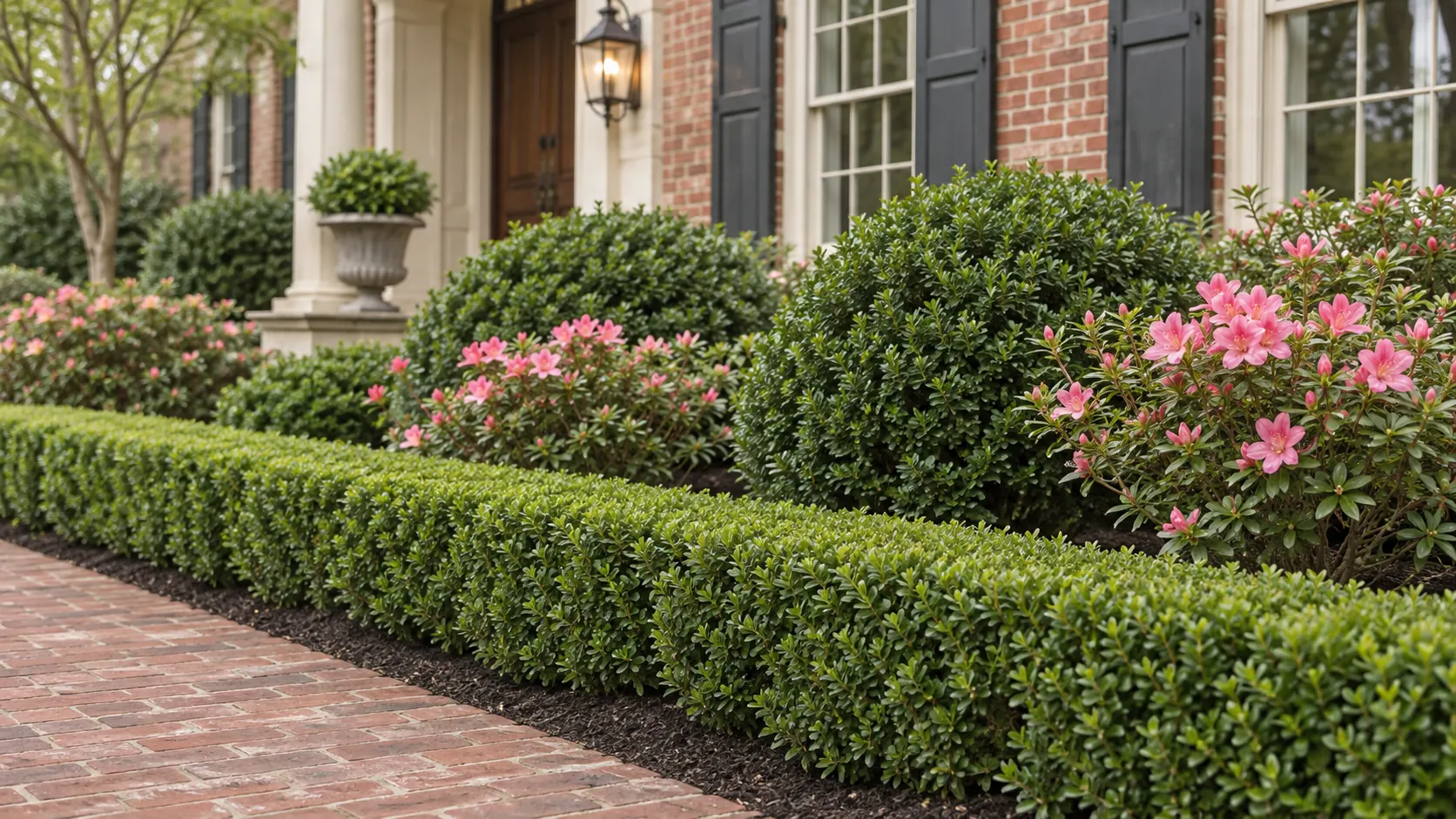
- Timed to the bloomSpring bloomers after they flower. Summer bloomers while they are dormant.
- Cut by hand where it countsThinning cuts hidden inside the plant. Shears only where a formal shape is wanted.
- Left cleanClippings tarped and hauled away, beds raked out, walks blown off.
In the shrub bed this month
What to prune now
The right month depends on the plant. Our calendar shows the best pruning window for 75 common shrubs.
Open the full pruning calendar Months follow the Virginia Cooperative Extension shrub pruning calendar and shift with climate.
What we do
Six ways we look after a shrub bed
Your shrubs are an investment that grows every year. Kept well, they frame the house. Left alone, they cover the windows.
-
01
Shrub trimming
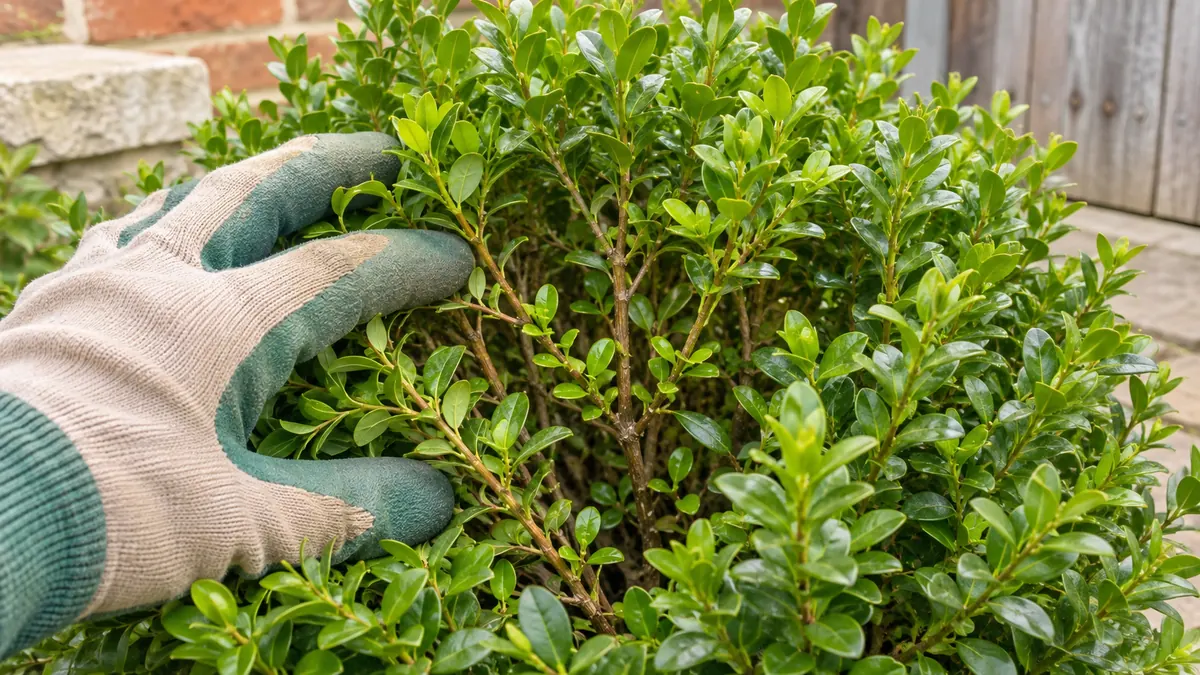
Routine trimming that keeps each shrub in scale with the house, cut by hand where the plant calls for it.
-
02
Hedge trimming
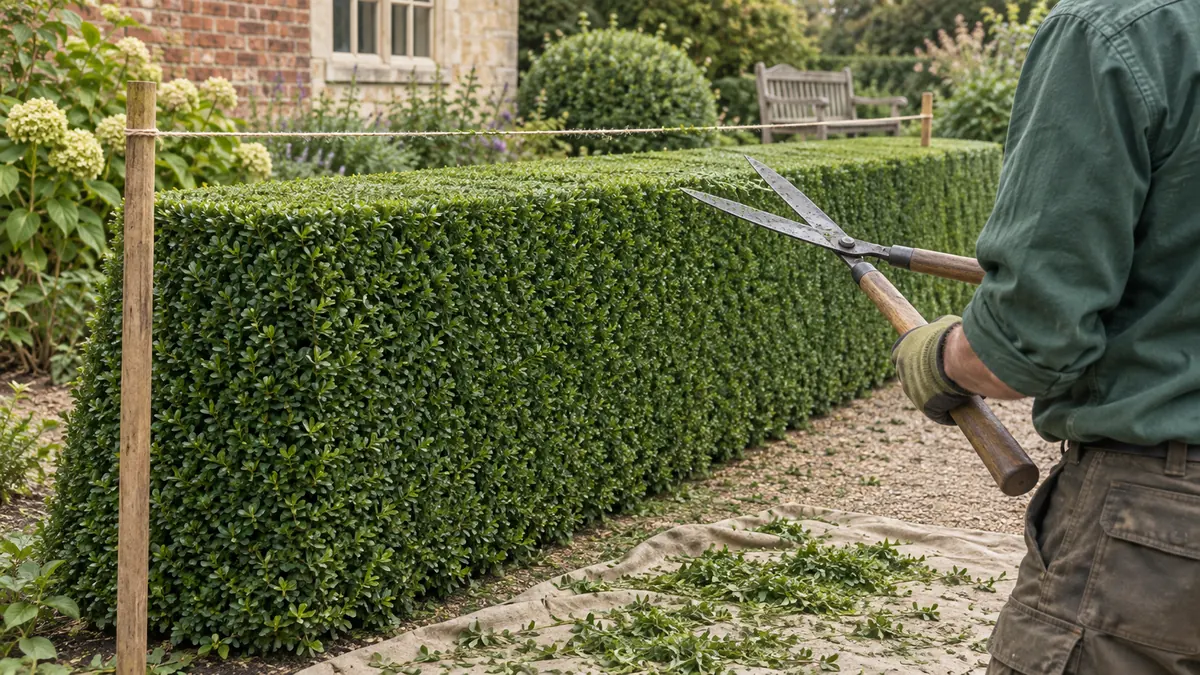
Level tops, straight faces and a base left wider than the top so the hedge stays green to the ground.
-
03
Rejuvenation pruning
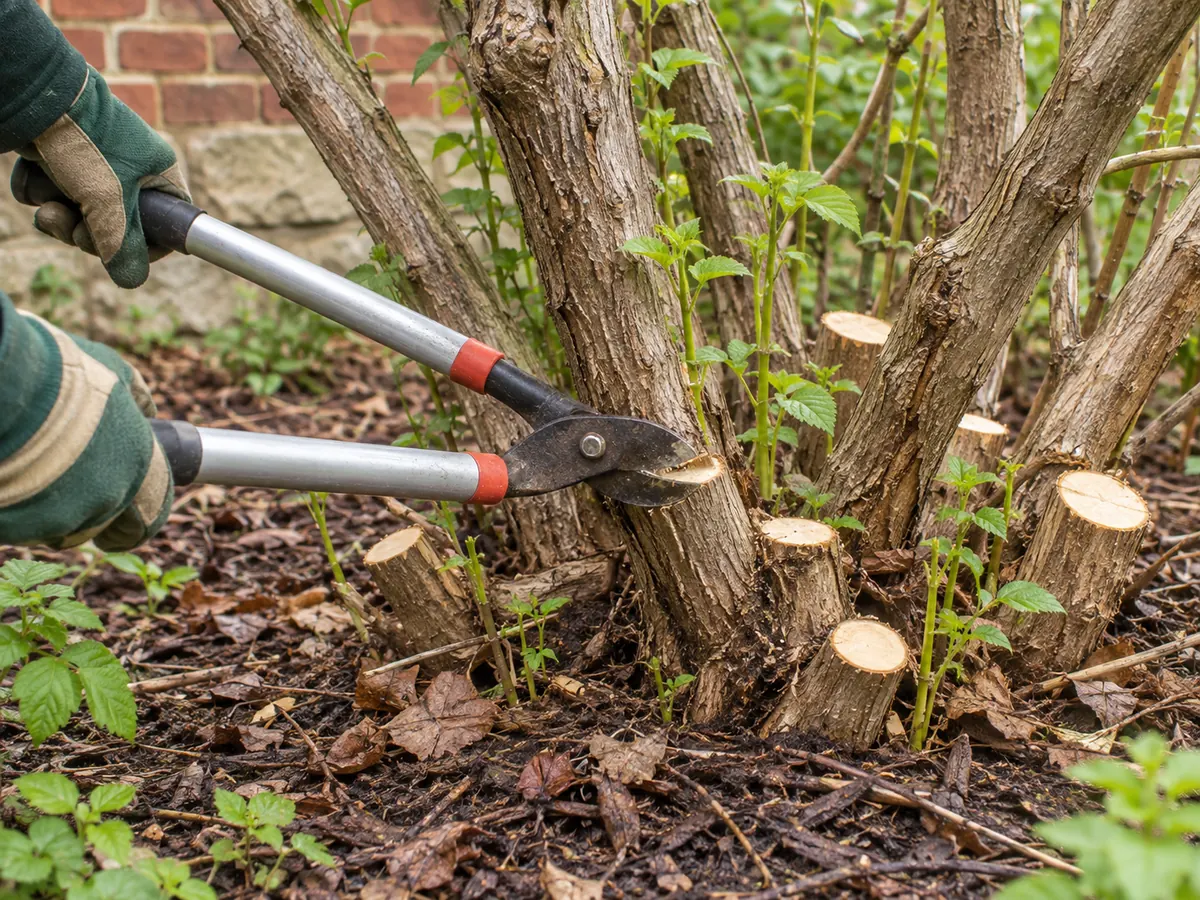
A planned reset for overgrown, leggy shrubs: old wood out, new growth up from the base.
-
04
Ornamental pruning
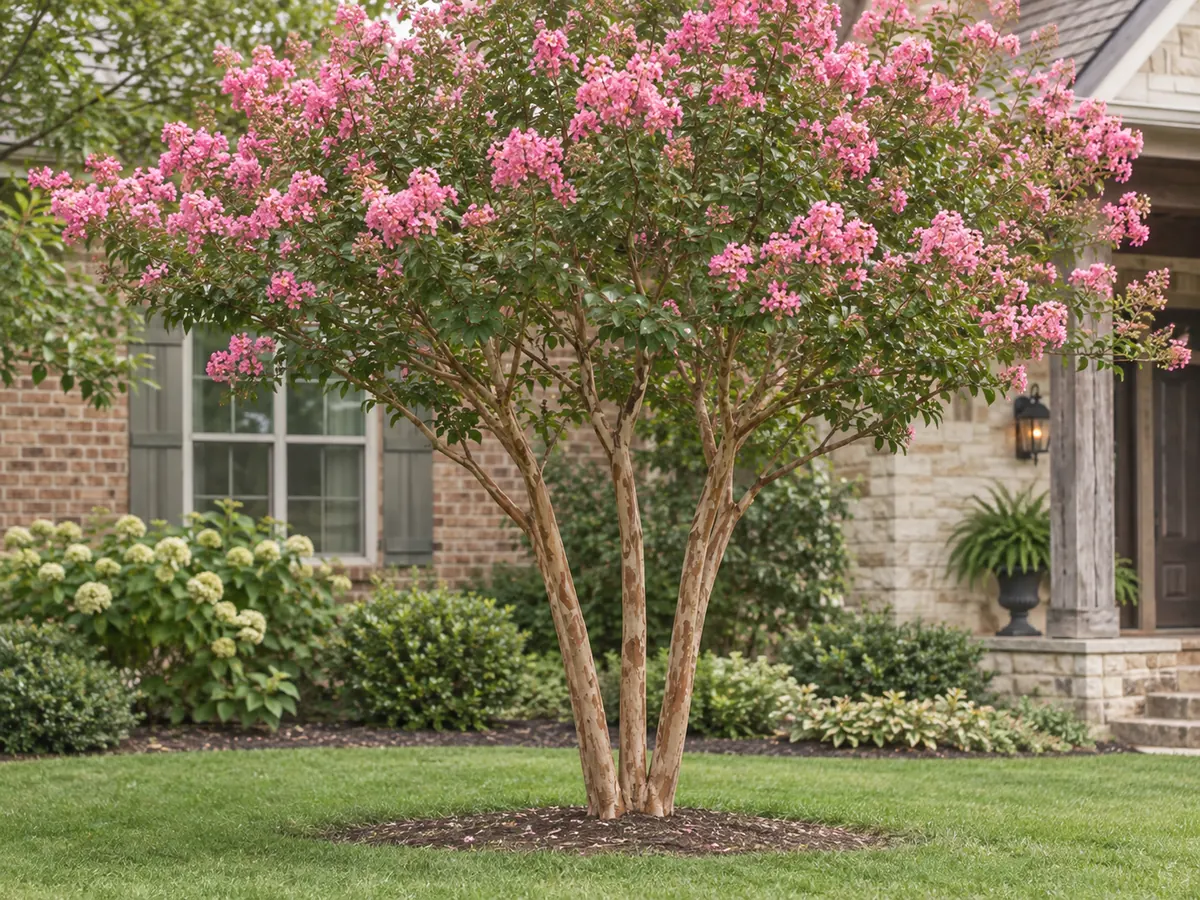
Crape myrtles and tree-form shrubs shaped by hand, with no topping.
-
05
Bed cleanup and haul-away
Clippings tarped and hauled, dead wood out, beds raked and walks blown clean.
-
06
Seasonal color and planting
Annual color and perennials planted at the front of the border, and gaps in the shrub line filled.
The bloom rule
Old wood or new wood. That one answer sets the date.
A shrub pruned in the wrong season is rarely harmed. It simply does not flower. Here is the rule we work from, with one example of each kind taken from the Virginia Cooperative Extension calendar.
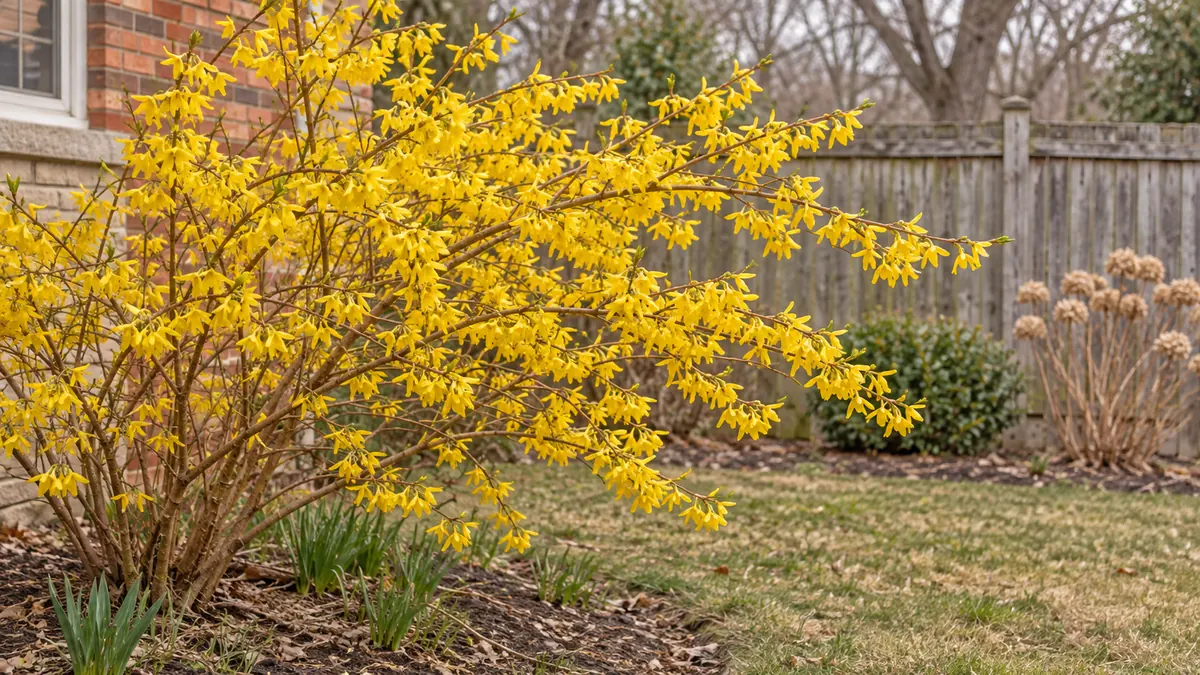
Blooms on last season's wood
These shrubs set next spring's flower buds over the summer. Cut them in winter and the buds go with the clippings.
Azalea, forsythia, lilac, flowering quince, weigela, spring-blooming hydrangea.
Evergreen azalea: best in May, June and July.
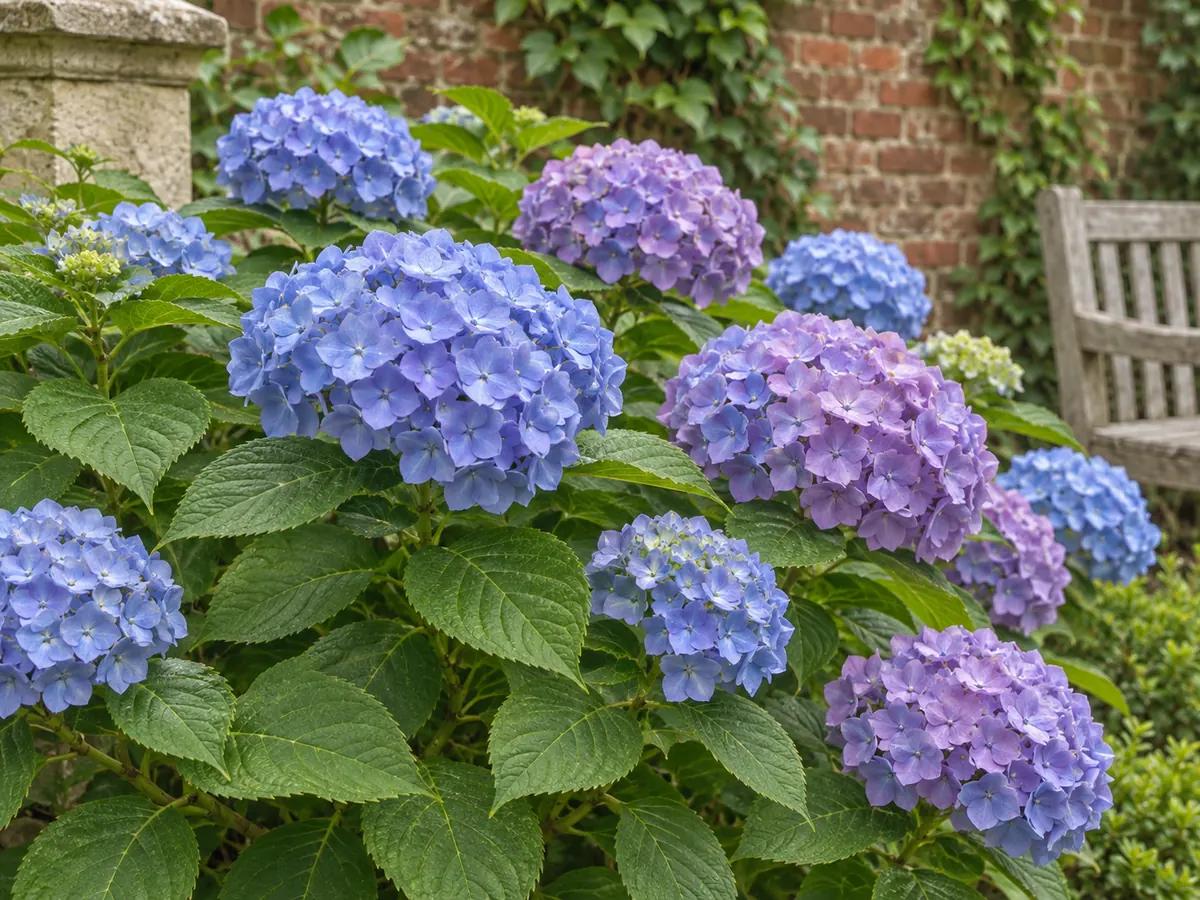
Blooms on new wood
These shrubs flower on the growth they make in spring. Pruning before that growth starts costs nothing in bloom.
Crape myrtle, abelia, chastetree, rose-of-Sharon, nandina, summer-blooming hydrangea.
Crape myrtle: best in January, February and March.
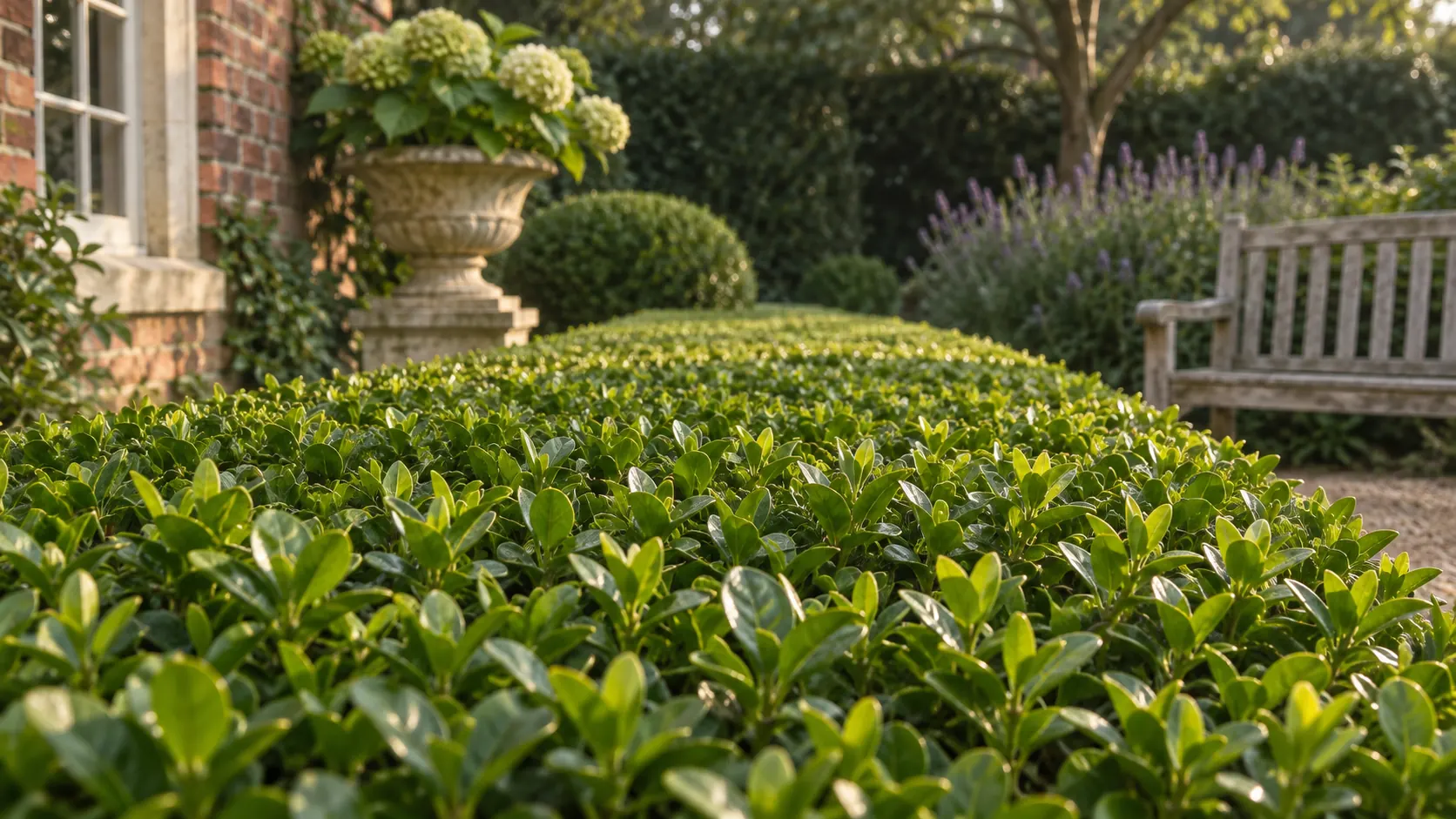
Shears cut the surface. Pruners cut the branch. Routine shearing builds a dense shell with a hollow interior. We thin by hand so light reaches the inside of the plant, and keep the shears for hedges and formal shapes. Why the difference matters
How it works
A consultation first, then the cutting
Tell us what you have
Use the quote form to describe the beds, the hedges and what you would like them to look like.
We walk the property
Every job begins with a thorough consultation. We identify each shrub, note its condition and agree on the result you want.
You get a quote and a schedule
The quote sets out the work bed by bed, and when each part should be done to suit the plants.
We trim, clean up and review
The beds are left raked and the clippings go with us. We check the result with you before we call it finished.
Field guide
Pruning advice with the sources shown
Short, practical articles on timing and technique. Each one cites the university extension publications it draws on.
Our family of brands
One property, several specialists
Shrub Trimmers is one of six sister brands. Each handles a single part of the property and does only that.
- Mow Trim BlowRoutine lawn care: mowing, trimming the edges and blowing the clippings off walks and drives.mowtrimblow.com
- DemiFareFull-service property maintenance that brings the family's services together, shrub trimming included.demifare.com
- Trex-DecksDecks and docks: new builds, resurfacing, pool decking and dock repairs.trex-decks.com
- Mosquito BlastersBarrier treatments for mosquitoes, ticks and fleas around shrubs, trees and under decks.mosquitoblasters.com
- TruMulchMulch delivered and installed, plus gravel, sand and topsoil delivery and junk removal.trumulch.com

Tell us what is growing. We will tell you when to cut it.
Send a few details about your shrubs and hedges. We start with a walk-through of the property, then write a quote for the work and the timing.